gas shortages and blackouts

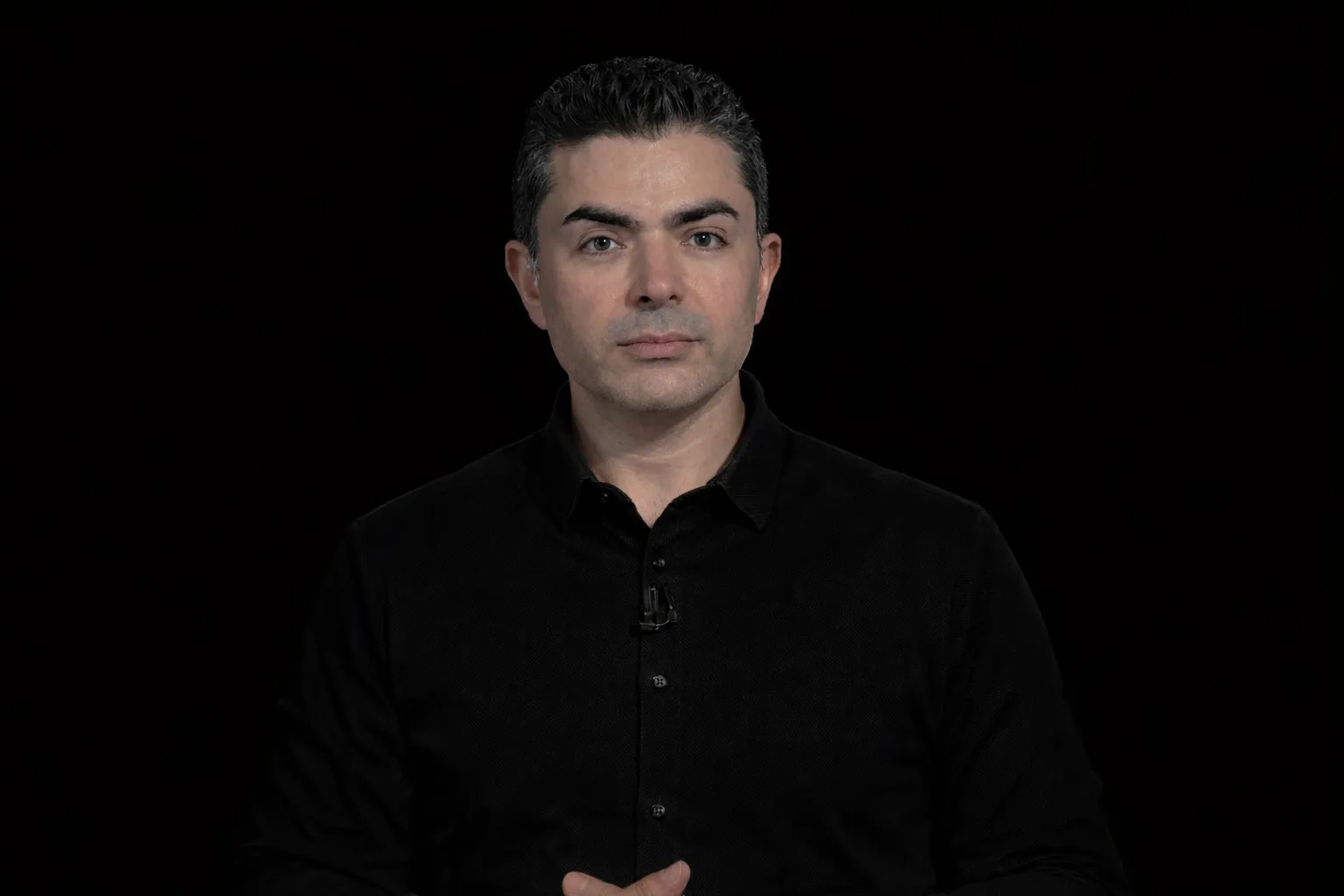
Reza Gheibi is an Iranian economic journalist based in Turkey:
Iran is a country that still burns its natural gas produced from oil wells and is unable to collect it due to its outdated technology and machinery. According to a World Bank ranking, Iran ranks third in the world in this area , wasting more than $5 billion worth of gas every year in the exploitation of oil wells.
For decades, the Islamic Republic has not invested enough in its oil and gas industry, failing to develop it but also to sustain it. To improve the situation, Tehran needs a lot of money and advanced technologies, and there is none of that in Iran. It needs foreign companies to invest in this sector in Iran, but foreign companies do not risk their money in a country like Iran, where investments are risky and there are many international sanctions. Iran's old and underdeveloped gas industry is not even able to use the country's natural resources to meet its own needs.
But the gas shortage has had other effects: people are resorting to electricity to heat their homes and offices, putting even more pressure on the country's power grid, which itself is mainly fed by power plants that burn natural gas.
Iranian households consume more than 700 million cubic metres of natural gas per day, while production is 850 million cubic metres. This means that power plants and many other industries that consume gas are without power. Production in many factories is at a standstill because they have no gas.
When factories stop working, there are fewer products on the market, and that means prices will continue to rise. The horizon is also gloomier. Since, on the one hand, there is no money to maintain and modernise the systems and, on the other hand, consumption is increasing, the gas and energy shortages will not only continue, but will worsen over time. To change this situation, Iran needs more than 80 billion euros, according to estimates by Iranian officials.